LaLa Land Dispatch:
Japanese Denim Showcase – Sept 30 – Oct 2DenimTech Laundry - Vernon, CA – For a few days last week, beneath an unassuming wrapper of industrial concrete, Japanese trading group Mitsui was invited to showcase some of the most fantastic textile goods ever to grace this indigo aficionado’s eyes. A parade of denim’s best and brightest passed through the Denim Tech offices to sample this divine product.
On the miraculously hot afternoon of September 30th, I made my way over to DenimTech. Beneath a scorching smoggy greenhouse gas dome just south of Downtown Los Angeles, Denim Tech Laundry lies smack dab in the middle of the glorious city of Vernon. Close neighbors to such illustrious tenants such as “Forever XXI” and Farmer John Pork products. DenimTech is a joint venture by Mr. Shinzo Suzuki (formerly of uber-laundry Caitac) and Matsuoka, a leading Japanese apparel manufacturer that fabricates much of Uniqlo’s quality goods.
For some time Suzuki-San has presented these showcases in the interest of connecting American designers and companies with purveyors of amazing Japanese textiles. I recall one event several years back when he organized a large event of many mills and trading companies including Nisshinbo, Kuroki, and Kaihara (if memory serves). While the scope of the presentation has become smaller and more intimate, the quality and selection is no less impressive. This time around he has have chosen to focus on two of my favorite fabric mills on earth, Kaihara and Nihon Menpu.
After the lovely DenimTech receptionist mercilessly butchers my name, I take a seat and prepare myself… lazily admiring the wear patterns on my Nihon Menpu selvage denim jeans.
First up I was ushered in to visit with Nakano-San from Kaihara. Kaihara is an amazingly modern, top of the line mill with roots firmly embedded in the history of Japan’s Textile industry. Originally established to create traditional indigo textiles, especially Kasuri cloth, in the early 20th century, they began making denim in Japan sometime after WWII, when the demand for surplus and vintage American jeans became so great that enterprising Japanese businessmen realized the need for indigenous denim cloth and brands. Today they are the largest denim mill in Japan and supply many of its domestic manufacturers, like Edwin, with much of their fantastic goods. With proper research and fact checking, I may write up something a bit more extensive down the line…
Kaihara is well known for its quality, consistency, and exceptionally rich indigo shades. If you stare at enough fabric samples of denim like I do (hundreds and hundreds every season), you begin to really appreciate the subtlety of how good or bad the execution of indigo dyeing can be. Kaihara is one of those mills that has something of a magical formula and some serious gurus on their dye range that consistently turn out gorgeous indigo creations.
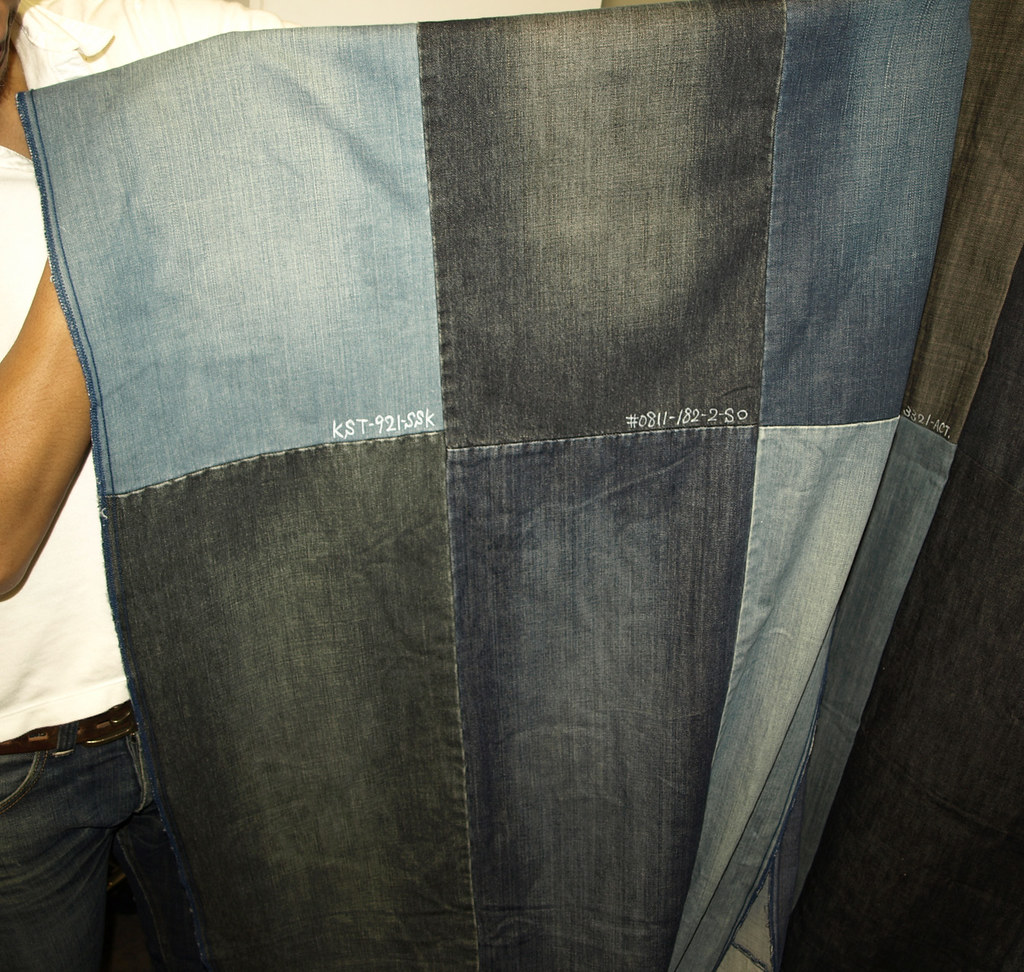
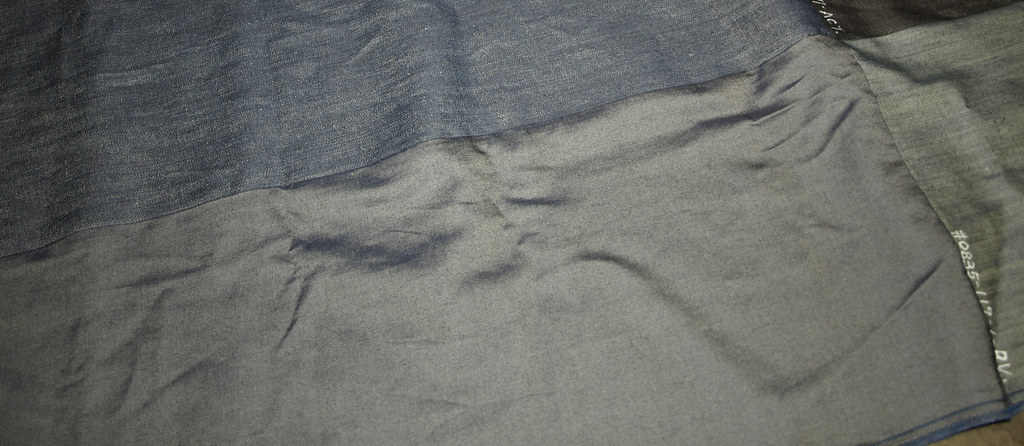
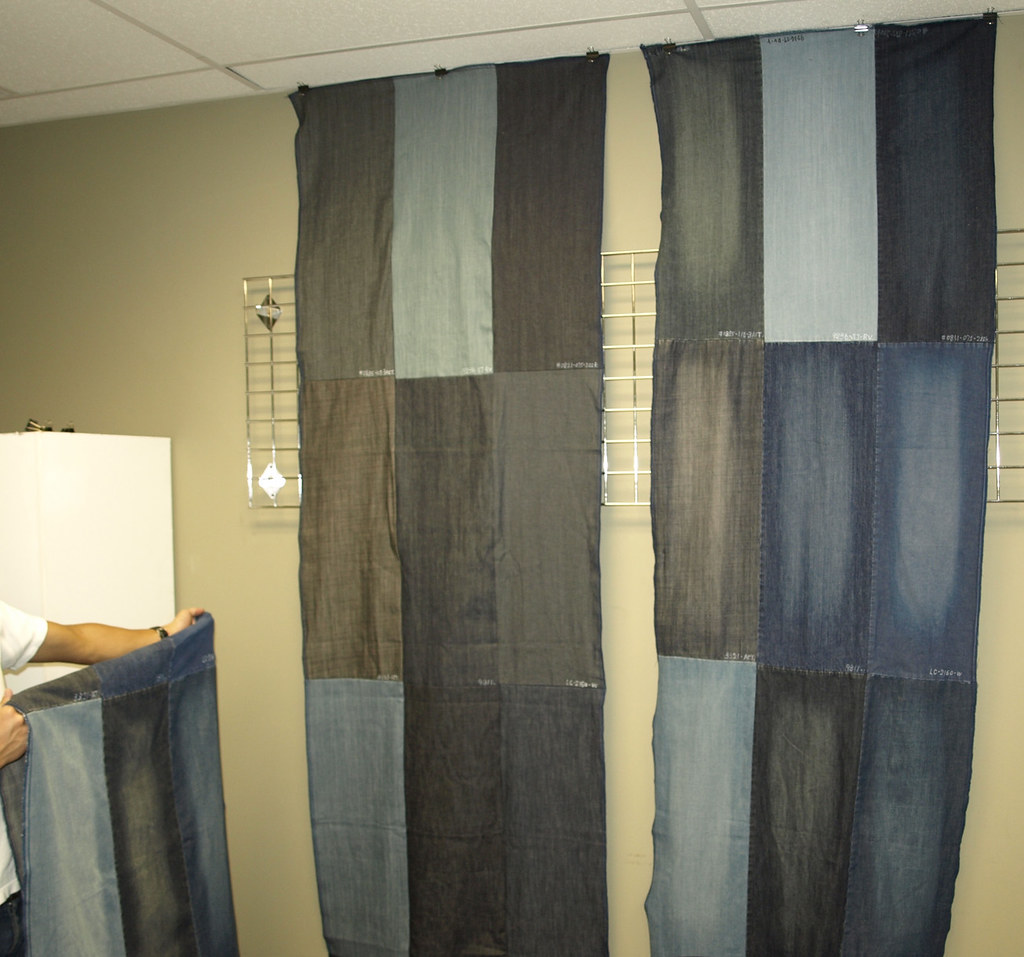
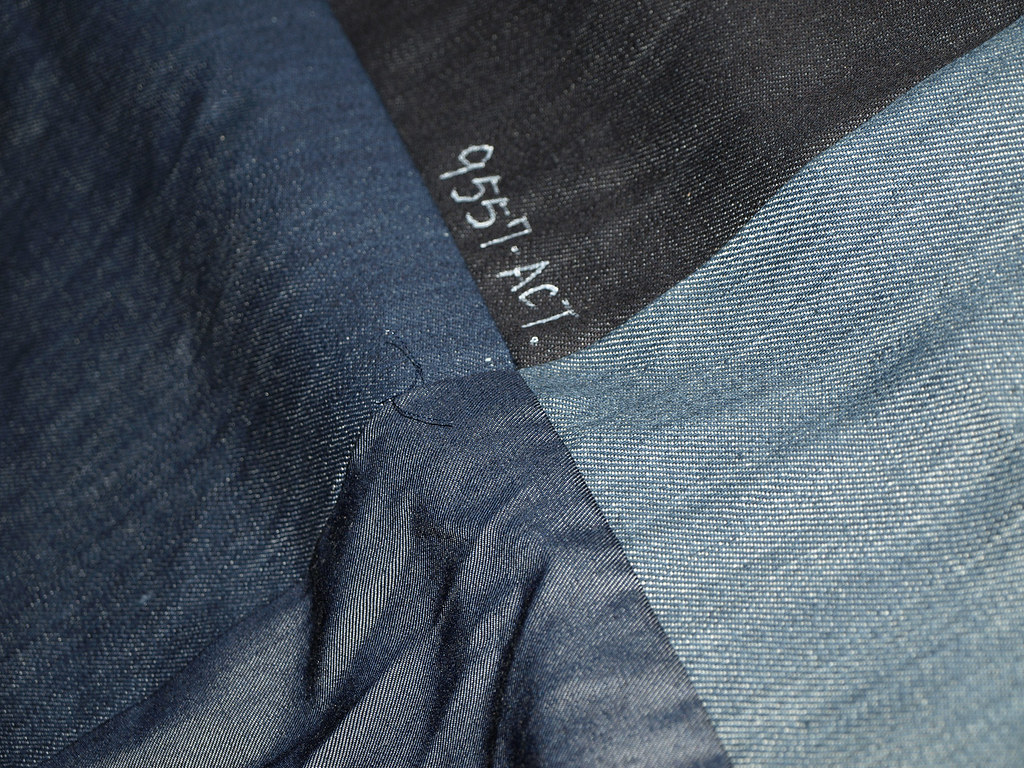
In the Kaihara room, two double decker rolling racks chock full of fabric headers greeted my eyes. Along the wall they had two immense patchwork fabric blankets draped from the ceiling and collecting in blue folds on the floor. The fabric blankets, one raw and one sanded and enzymed, showcased the great variety of weights, shades, constructions, and character in their denim selections.
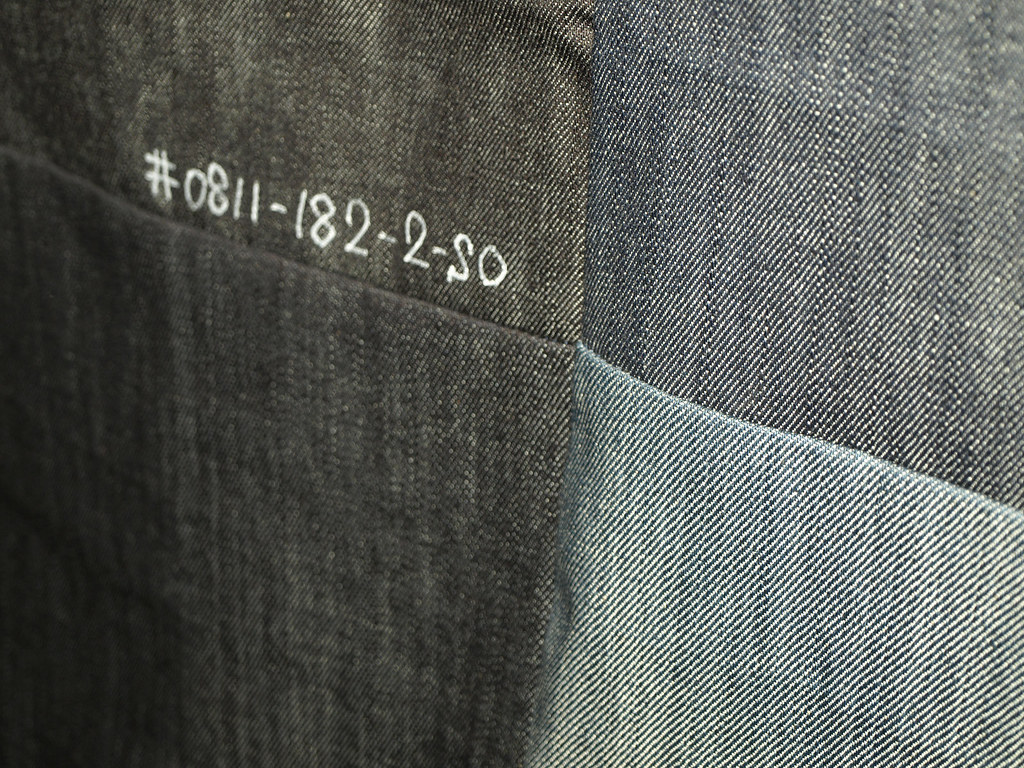
In addition to the perpetually wonderful selection of classic rich indigo wide denims and selvages, Kaihara had some interesting new things worth mentioning. They had some really nice lighter shades of indigo achieved through fewer dips on the dye range rather than extended washing. These were developed specifically with the USA market in mind and I think could be great for the 70’s retro vibe we’ve been seeing in brands like Dittos and Current Elliot. These lighter sky blues make a nice alternative to deep dark indigos that have been so prevalent these past few years. But, of course you don’t get the intense chip off and high/low you will see on your raw 14oz pure indigo super dark goods. Nakano-San feels this lighter denim trend will be big in Japan for coming seasons.
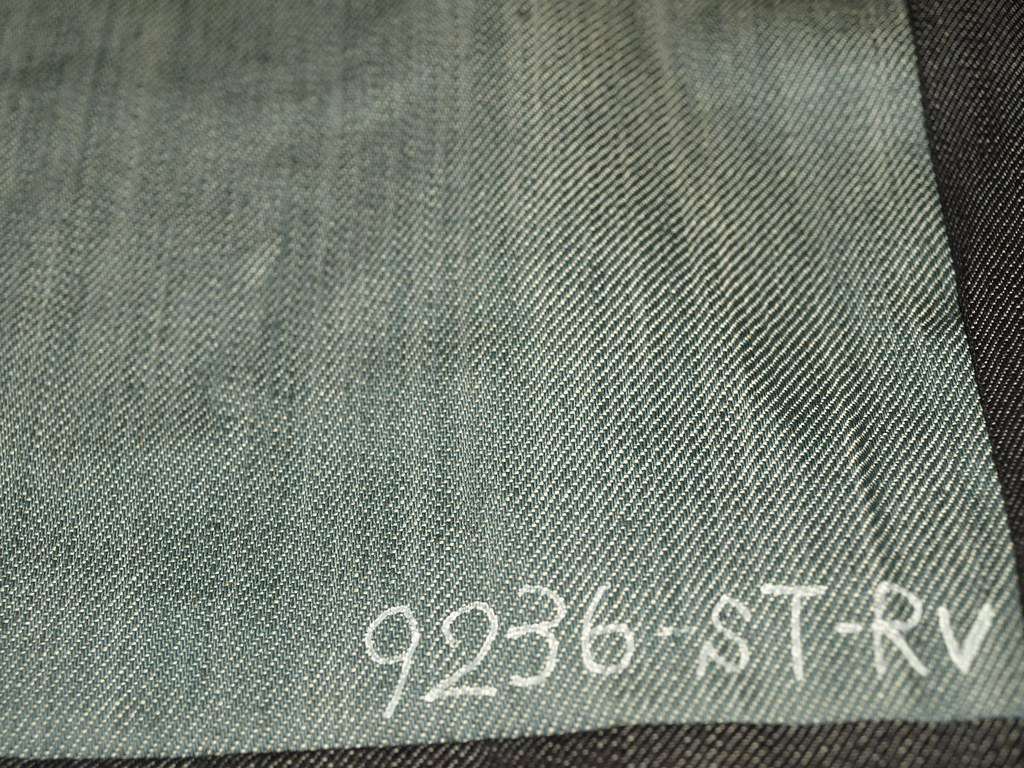
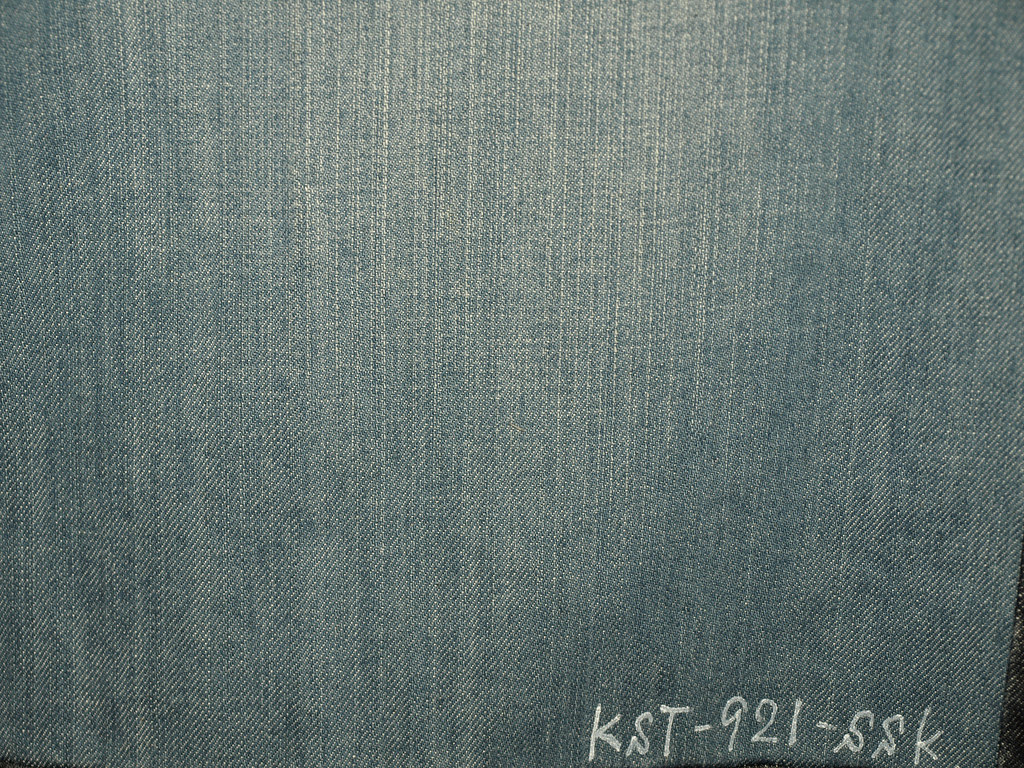
Another really interesting product I saw was a cotton/rayocell blend denim in a very light (circa 8oz) 2x1 construction. This rayocell is a similar fiber to rayon and tencel, being made from cellulose fibers processed down into a yarn that is soft and has a great sheen to it. Further they referenced its low impact ecological process that uses a recycling system to utilize the same water over and over again during processing.
In perusing the racks I also found some really interesting hidden gems.

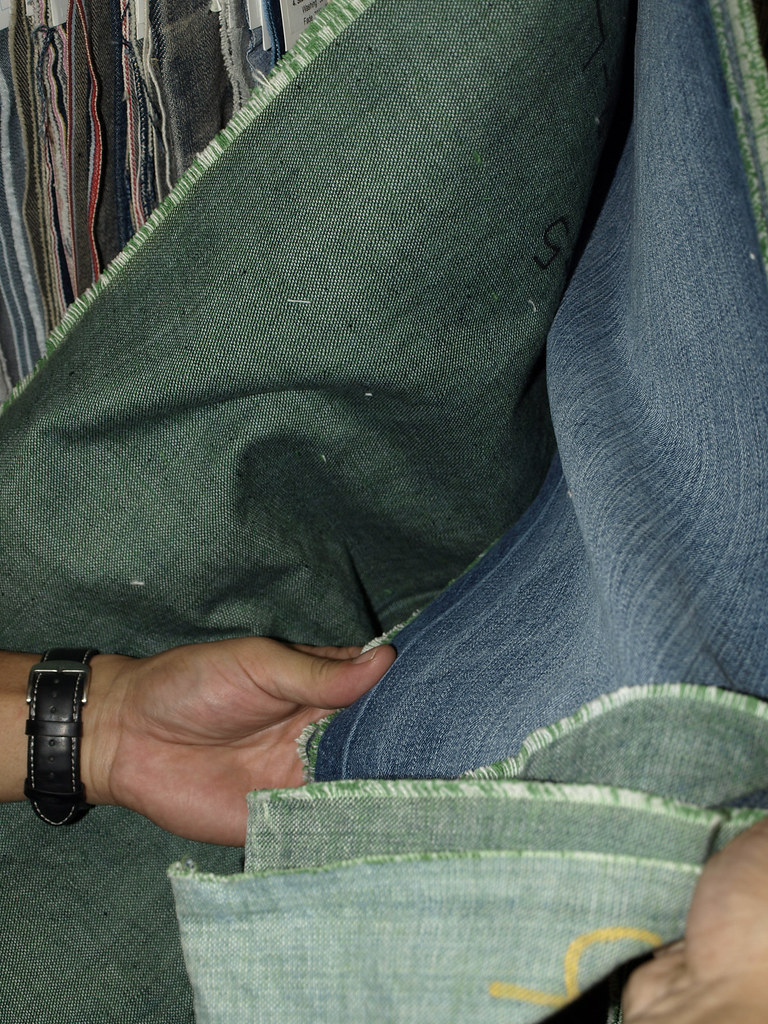 Colored Weft denim (Red and Green Pictured). They also had Yellow.
As with much of the industry in the past couple years, Kaihara was showing many organic fabrics and more eco-friendly products. However, they were saying that the demand for organic products has been steadily decreasing and they wonder if the trend may be on its way out. This desire for organic, eco-friendly, sustainable, and similar marketing monikers to attached to denim, seems to be relegated to America and Europe. Japanese and other Asian customers apparently aren’t willing to pay the extra money for this type of product. With the economy in freefall, I wonder how much longer Americans will buy into this trend as well?
Lastly, no surprise, business is down. The depressed dollar to yen exchange rate is also making importing Japanese goods all the more costly.
To be continued...Labels: denim, japanese, kaihara, nihon menpu, selvage